
Existing Wall Insulation for Minnesota Homes

See How It's Done
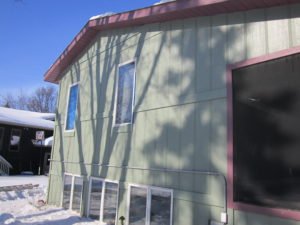
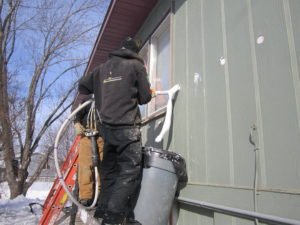
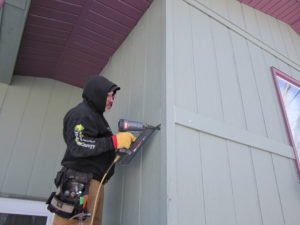
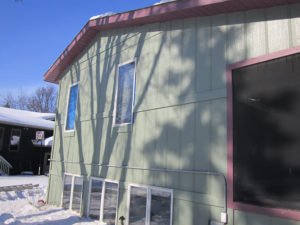
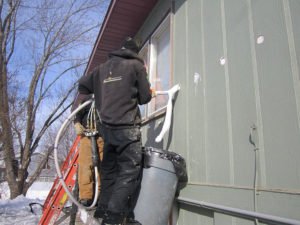
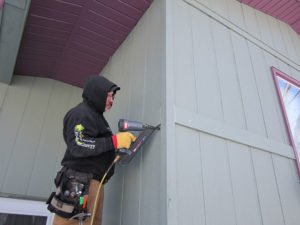
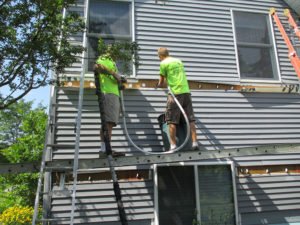
Existing wall insulation installation using RetroFoam injection foam in Minnesota home

Existing wall insulation doesn’t have to mean tearing apart your home. RetroGreen Energy’s injection foam method is the most technologically advanced process available in Minnesota. We can double your R-value in just one day, adding year-round comfort and significant energy savings.

As Minnesota’s exclusive RetroFoam dealer and a top 5 installer nationwide, we’ve completed thousands of existing wall insulation projects throughout St. Cloud, Minneapolis, St. Paul, and the surrounding region.

Why Existing Wall Insulation Matters in Minnesota

Your walls represent the largest surface area of your home’s thermal envelope. According to the U.S. Department of Energy, poorly insulated walls account for up to 35% of heat loss in winter and heat gain in summer.

Many Minnesota homes built before 1980 have walls that are either uninsulated or contain failed insulation that has settled, gotten wet, or was installed incorrectly. Even homes with existing wall insulation often have significant gaps and voids that allow air to move freely through the wall cavity.

Common signs your walls need insulation:

  • Exterior walls feel cold to the touch in winter
  • Rooms on exterior walls are harder to heat or cool
  • You can feel drafts near outlets and switches on exterior walls
  • Your energy bills are higher than neighbors with similar homes
  • Ice dams form on your roof (often related to wall heat loss)

An energy audit with thermal imaging can reveal exactly where your walls are losing heat and help prioritize improvements.

Benefits of RetroFoam for Existing Wall Insulation

RetroFoam is specifically designed for retrofitting existing buildings. Unlike traditional insulation materials, it offers unique advantages for existing wall insulation projects:

  • Complete cavity fill – Flows around wires, pipes, and blocking to fill the entire wall cavity with no gaps or voids
  • Air sealing – Seals cracks and gaps as it cures, stopping air infiltration that bypasses traditional insulation
  • No settling – Remains in place permanently, unlike cellulose or fiberglass that settles over time
  • Non-expanding formula – Won’t bow drywall or damage your home’s structure
  • Moisture resistant – Does not absorb water or support mold growth
  • Lifetime warranty – RetroFoam is backed by a lifetime warranty on materials

How Our Existing Wall Insulation Process Works

Step 1: Recognizing the Problem

Most existing structures have a wall insulation problem. Old fiberglass batt, horsehair, cellulose, or balsam wool insulation has settled and allows conditioned air to escape into the great outdoors.

At RetroGreen, we examine your home or building to see where this is happening. The good news is that many times the existing wall insulation is loose enough that our RetroFoam can be injected to stabilize and double the performance.

Step 2: RetroFoam Application Process

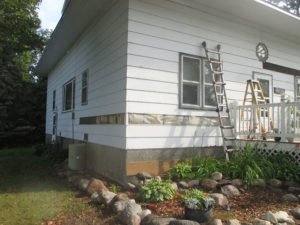
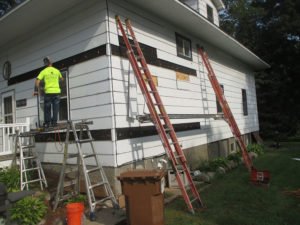
When installing RetroFoam into your existing walls, we remove a single strip of siding to expose the exterior of the building shell, then drill a small opening into each stud bay. This allows us to inject RetroFoam into the stud cavities without having to tear apart your walls.

Since this foam does not expand, the chemical reaction is much different from the foam many people are familiar with. Those types of foam are petroleum based and are classified as an exothermic reaction that expands and gives off heat. Our RetroFoam insulation is a cold-setting tripolymer foam that does not give off gas, heat, or expand and blow off your sheetrock.

RetroFoam is a game-changing foam insulation material that completely fills wall cavities, adds major thermal resistance, and will not settle like traditional materials like blown-in cellulose or fiberglass. Both of those fibrous materials tend to settle over time which causes performance to decrease. RetroFoam stays completely in place at the top of the wall where you need it.

Once we finish injecting the RetroFoam, we cap the injection holes and reinstall the strip of siding, leaving no visible changes to your structure. You’ll notice the comfort, efficiency, and reduced sound in your house the same day.

Existing Wall Insulation for Any Siding Type

Injection Wall Foam

Panel Siding Injection (when siding can’t be removed)
Steel, Vinyl, Aluminum Siding
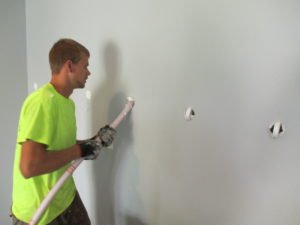
Interior Wall Injection Through Sheetrock

Brick, Stucco, and Masonry Walls

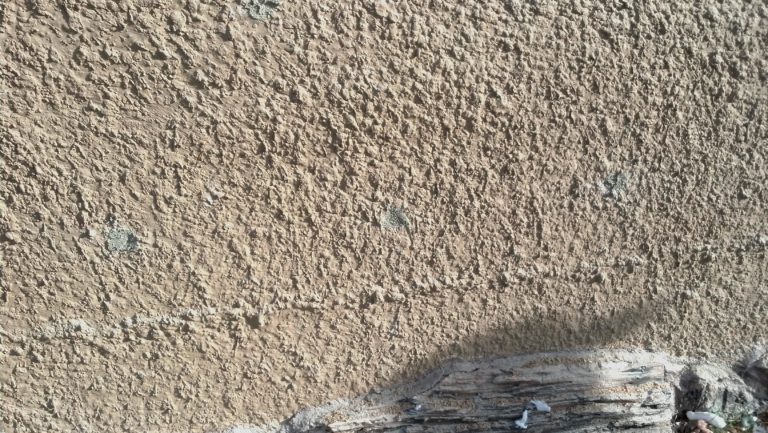
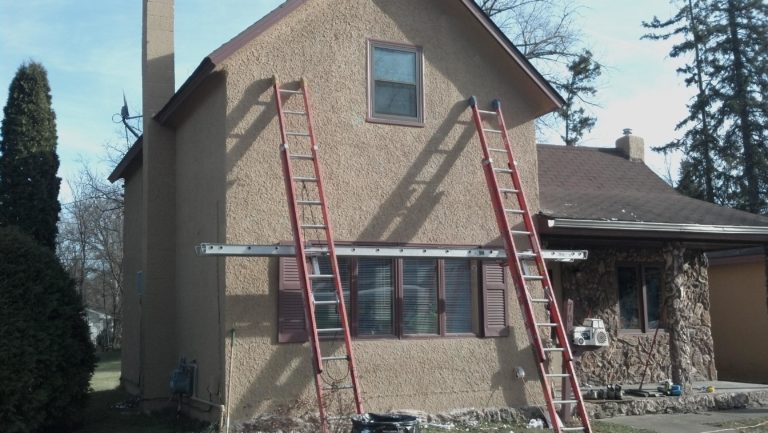
RetroFoam existing wall insulation works just as well for brick and stucco walls as it does for homes with vinyl, seamless steel, cement board, or half-log siding. The only difference is that we drill smaller, 5/8″ holes directly into the masonry for RetroFoam injection.

After adding the foam insulation, we fill the holes and repaint them with a custom-matched color. For stucco, we also hand-grind the texture to completely match your exterior wall.
Stucco wall with existing wall insulation injection holes before patching

5/8″ Holes Are All We Need

Other existing wall insulation products require much larger holes to install. Our 5/8″ holes are virtually invisible after patching.

Patched injection holes invisible after existing wall insulation installation

What About Old Insulation Already in the Walls?

Many homeowners wonder if they need to remove old insulation before adding RetroFoam. In most cases, the answer is no.

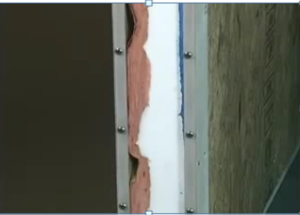
RetroFoam can be injected into wall cavities that already contain fiberglass batts, cellulose, or other loose-fill materials. The foam flows around and through the existing wall insulation, filling gaps and voids while stabilizing material that has settled.

This means you get the benefits of both materials without the cost and disruption of removing what’s already there. Our technicians probe each cavity before injection to assess the existing conditions and adjust the process accordingly.

Complete Your Home’s Insulation

Existing wall insulation works best as part of a whole-home approach. For maximum comfort and energy savings, consider combining wall insulation with:

  • Rim joist insulation – Stops heat loss at the foundation level where walls meet the floor system
  • Attic insulation – Prevents heat from escaping through the ceiling
  • Air sealing – Closes gaps and penetrations throughout the building envelope

An energy audit can help identify which improvements will have the biggest impact on your home.

Get A FREE Quote

Utility Rebates
Testimonials

Existing Wall Insulation FAQs

Can you add existing wall insulation without removing drywall?

Yes. RetroFoam injection insulation is designed specifically for existing homes. We access wall cavities through small holes drilled from the exterior (under siding) or interior, inject the foam, then patch and restore the surface. There’s no need to open up walls or remove drywall.

How long does existing wall insulation take?

Most homes can be completed in a single day. A typical 1,500-2,000 square foot home takes 4-8 hours depending on accessibility and the number of wall cavities. You’ll notice the difference in comfort immediately.

Will I see the injection holes?

No. We use 5/8″ holes, which are much smaller than other injection methods require. For siding, we remove a course, drill into the sheathing, then reinstall the siding. For brick, stucco, or interior injection, we patch and paint-match the holes so they’re virtually invisible.

What R-value does RetroFoam provide?

RetroFoam provides approximately R-12 to R-13 in a standard 2×4 wall cavity. More importantly, because it completely fills the cavity and air seals as it cures, you get the full rated R-value. Traditional insulation often performs 20-40% below its rated value due to installation gaps and air movement.

Can RetroFoam be added to walls that already have insulation?

Yes. RetroFoam can be injected into wall cavities that already contain fiberglass, cellulose, or other materials. The foam flows around the existing wall insulation, filling gaps and voids while stabilizing material that has settled over time.

Is RetroFoam safe?

Yes. RetroFoam is a water-based tripolymer foam that contains no formaldehyde, CFCs, or harmful off-gassing. It’s Class 1 fire rated and has been used in residential applications for over 40 years.

Does existing wall insulation qualify for rebates or tax credits?

Existing wall insulation may qualify for utility rebates from Xcel Energy, CenterPoint Energy, and Minnesota Energy Resources. It may also qualify for the federal energy efficiency tax credit of up to $1,200 per year through 2032. Contact us for current program details.

How much does existing wall insulation cost?

The cost varies based on your home’s size, siding type, and accessibility. Contact us for a free quote tailored to your specific situation. Many homeowners see energy savings that help offset the investment within a few years.

Stop Losing Heat Through Your Walls

Adding existing wall insulation doesn’t have to be messy or time-consuming. With RetroGreen Energy’s experience, we can quickly and carefully inject RetroFoam so you experience the benefits right away.

Whether you’re dealing with cold walls, high energy bills, or rooms that never reach the right temperature, existing wall insulation can make a significant difference in your home’s comfort and efficiency.

Get Your Free Quote