
What is Foundation Insulation

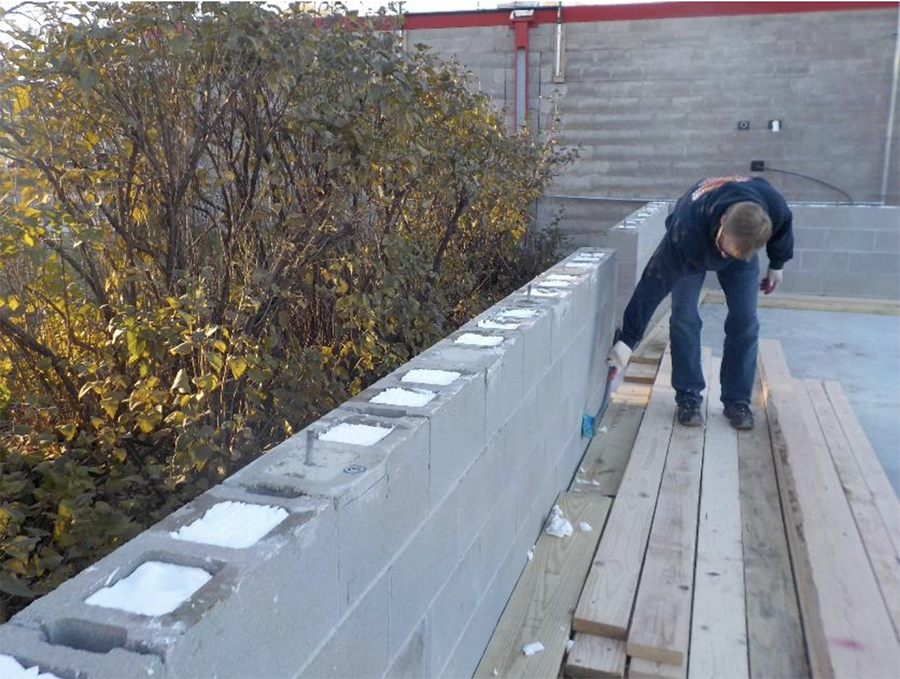
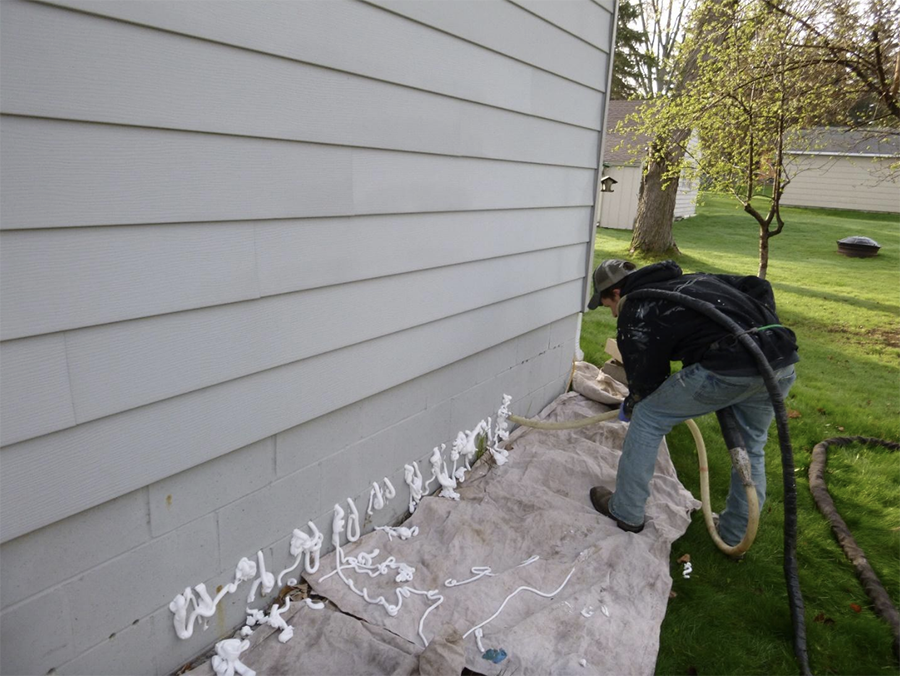
Foundation insulation involves filling the hollow cores of concrete block walls with injection foam to eliminate air movement and improve thermal performance. Most Minnesota homes built before the 1990s have uninsulated block foundations that act like a chimney, allowing cold air to continuously cycle through your basement walls.
According to the U.S. Department of Energy, an uninsulated basement can account for up to 30% of a home’s total heat loss. RetroFoam injection foam fills every cavity and crack within the block, stopping convection currents and transforming your foundation from an energy liability into a thermal barrier.
Foundation insulation targets these energy pathways
Why Do Minnesota Homes Need Foundation Insulation

Minnesota winters push our homes to the limit, with temperatures regularly dropping below zero and frost depths reaching four feet or more. Your foundation sits directly in this frozen ground, and without proper insulation, it becomes a massive cold surface that chills your basement and forces your heating system to work overtime.
Research conducted by the University of Minnesota found that uninsulated foundation blocks can waste up to 15% of a home’s heating energy through convection loops alone. Cold air enters at the bottom of the block, rises as it warms, and exits at the top, creating a continuous energy drain that your thermostat can never satisfy.
Common foundation problems in Minnesota homes include
These issues affect homes throughout Central Minnesota, from St. Cloud and Brainerd to Alexandria and the Twin Cities metro. If your home was built before modern energy codes required foundation insulation, your block walls are likely costing you money every heating season. A professional energy audit can reveal exactly how much heat you’re losing.
Benefits of Professional Foundation Insulation
Lower Heating Bills. By stopping convection currents in block walls, foundation insulation can reduce your heating costs by 10-15%. The foam creates an unbroken thermal barrier that keeps conditioned air inside where it belongs.
Warmer, More Comfortable Basement. Insulated foundation walls maintain more consistent temperatures, eliminating cold spots and making your basement usable year-round. Many homeowners notice an immediate difference in how their basement feels.
Reduced Moisture and Condensation. Foam-filled blocks eliminate the temperature differentials that cause condensation. This helps prevent mold growth, musty odors, and moisture damage to stored items.
Improved Indoor Air Quality. Stopping air movement through block walls reduces the infiltration of soil gases, outdoor pollutants, and allergens that can enter through your foundation.
Stronger Foundation Walls. RetroFoam injection adds structural integrity to block walls by filling voids and bonding the inner surfaces. This can help extend the life of your foundation.
Permanent Solution. Unlike fiberglass batts that can fall down or lose effectiveness when wet, injection foam is a permanent solution that will never settle, sag, or need replacement. When combined with proper attic insulation, you create a complete thermal envelope.
Our Foundation Insulation Process
Step 1: Assessment and Preparation. Our BPI-certified technicians begin with a thorough inspection of your foundation walls, identifying the block type, wall height, and any existing conditions. We use specialized equipment, including blower door testing, to determine the number and placement of injection points needed for complete coverage. All work areas are protected with drop cloths and plastic sheeting.
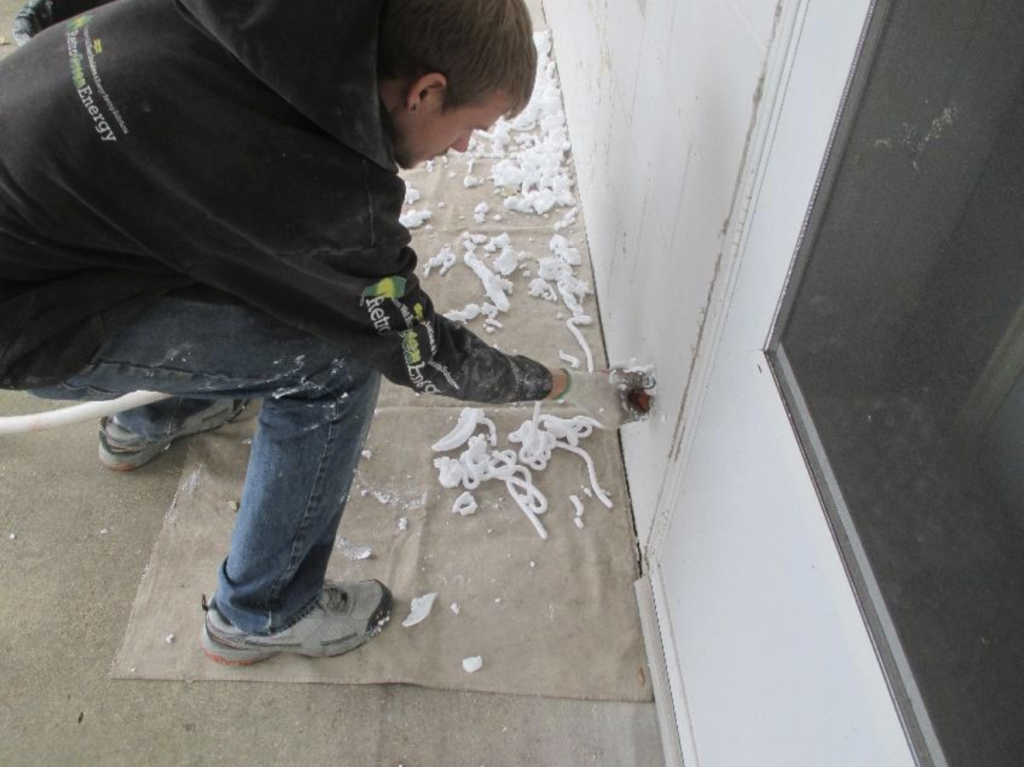
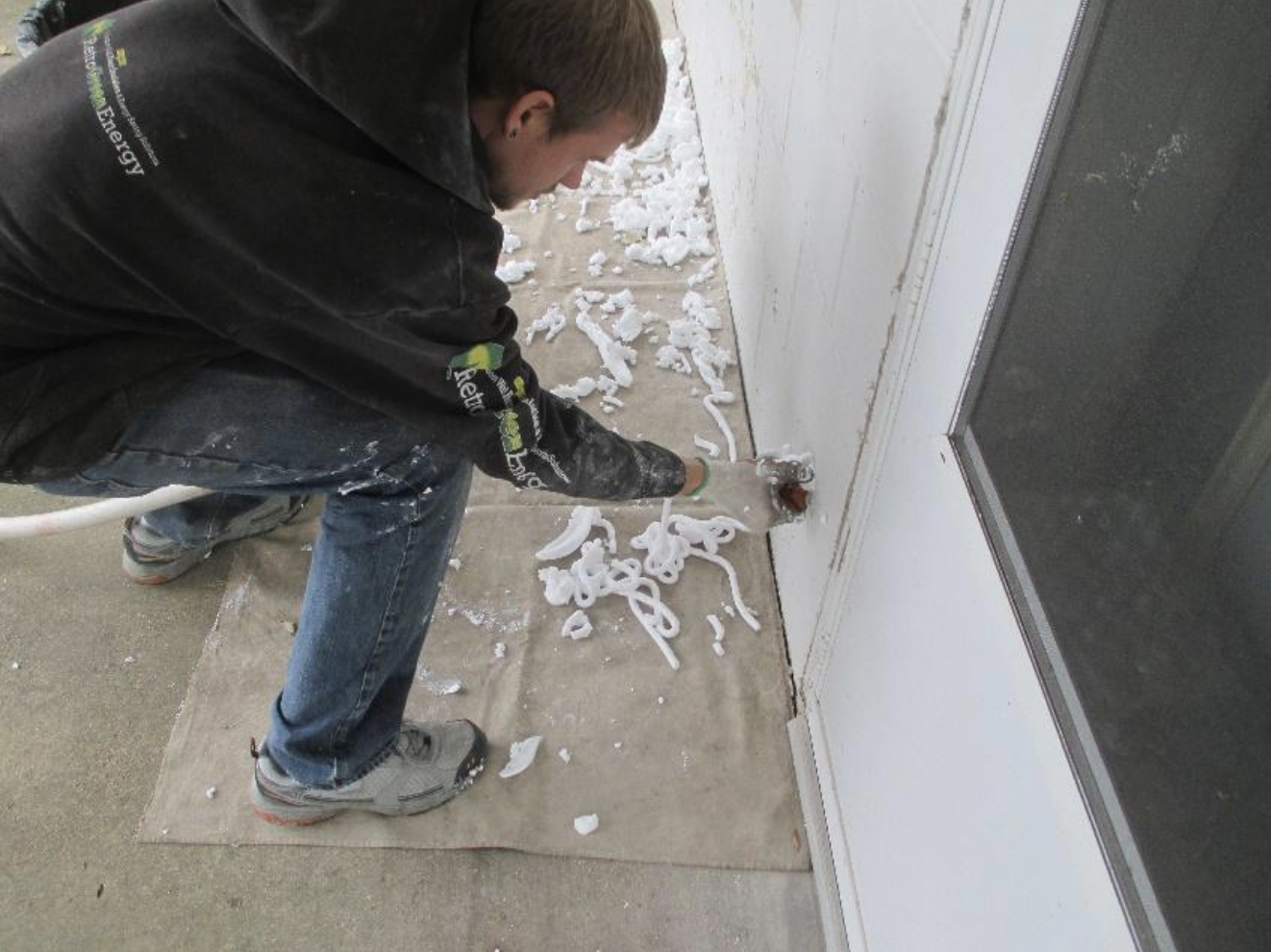
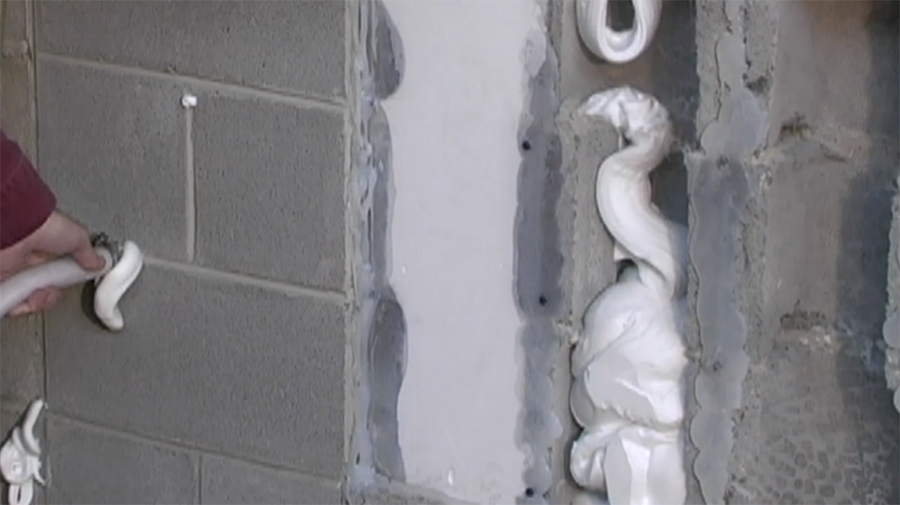
Step 2: Drilling and Injection. We drill 5/8-inch holes into each block core at strategic intervals, typically every 12 inches along the wall. Our proprietary RetroFoam formula is then injected under controlled pressure, expanding to fill every cavity, crack, and void within the block. The foam seeks out and seals pathways that other insulation methods simply cannot reach.
Step 3: Finishing and Verification. After injection, all holes are patched to match your existing wall surface. We verify complete fill using visual inspection and, when appropriate, thermal imaging. Most foundation insulation projects are completed in a single day with minimal disruption to your household.
Foundation Insulation Rebates and Incentives
Minnesota homeowners can offset the cost of foundation insulation through utility rebates and flexible financing options.
Utility Rebates. Xcel Energy, Minnesota Energy Resources, and CenterPoint Energy all offer rebates for insulation improvements that meet efficiency standards. Rebate amounts vary by utility and project scope. Our team handles the paperwork and helps you maximize available incentives.
Financing Options. We partner with leading home improvement lenders to offer flexible financing with competitive rates. Many homeowners find that monthly loan payments are offset by energy savings, making foundation insulation essentially pay for itself.
Frequently Asked Questions About Foundation Insulation
How much does foundation insulation cost in Minnesota?
Foundation insulation costs typically range from $3 to $6 per square foot of wall area, depending on wall height, accessibility, and project complexity. Most Minnesota basements cost between $2,500 and $5,000 to insulate completely. We provide free, detailed estimates so you know the exact cost before any work begins.
Can you insulate a foundation from the inside?
Yes, RetroFoam injection is specifically designed for interior application. We inject foam directly into the block cores from inside your basement, eliminating the need for exterior excavation. This makes foundation insulation practical for existing homes where digging around the foundation would be disruptive or impossible.
How long does foundation insulation take to install?
Most residential foundation insulation projects are completed in one day. A typical 1,500 square foot basement takes 4-6 hours from start to finish, including setup, injection, hole patching, and cleanup. You can use your basement normally immediately after we finish.
Will foundation insulation help with basement moisture problems?
Foundation insulation significantly reduces condensation by eliminating the cold surfaces where moisture collects. However, it does not address water infiltration from cracks or hydrostatic pressure. If you have active water entry, those issues should be addressed before or alongside insulation. Our energy audits can help identify the source of moisture problems.
Is foundation insulation worth it in Minnesota?
Absolutely. Given Minnesota’s extreme winter temperatures and long heating season, foundation insulation typically pays for itself in 5-8 years through energy savings alone. Beyond cost savings, you gain a more comfortable basement, reduced moisture issues, and improved air quality. Combined with proper air sealing, foundation insulation is one of the most cost-effective upgrades for existing Minnesota homes.
What is the difference between foundation insulation and wall insulation?
Foundation insulation targets concrete block walls below grade, while wall insulation addresses the wood-framed walls above ground. Both serve similar purposes but require different techniques. Block foundations need injection foam to fill hollow cores, whereas wood-framed walls can be insulated with injection foam through small holes in the exterior siding or interior drywall.
Related Articles
Ready to Stop Losing Heat Through Your Foundation
Schedule a free home assessment with our BPI-certified team. We’ll evaluate your foundation, identify energy loss points, and provide a detailed proposal with transparent pricing. Most assessments take less than an hour, and there’s never any obligation.