

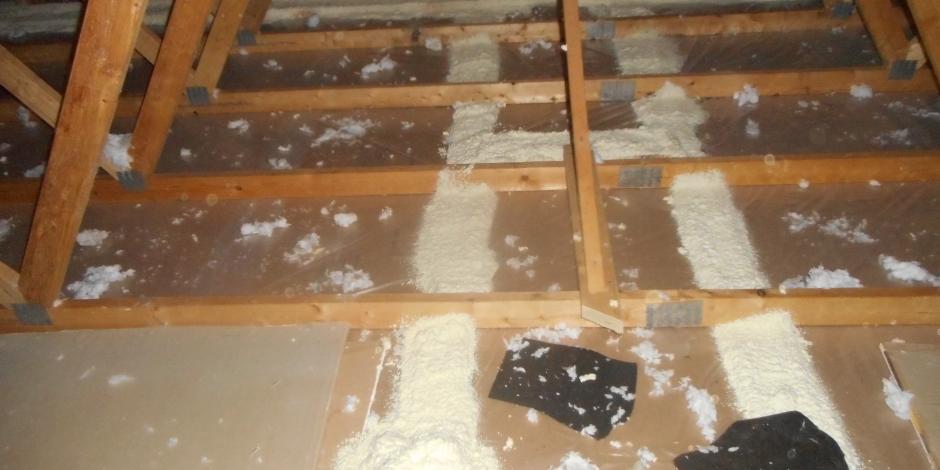
What is Air Sealing?
Air sealing is a critical step in improving the energy efficiency of your Minnesota home. By sealing gaps, cracks, and holes in your home’s structure, you prevent drafts and air leaks that significantly impact your comfort and energy bills.
According to the U.S. Department of Energy, air leakage accounts for 25-40% of energy loss in most homes. Minnesota’s extreme temperature swings, from -20°F winters to humid summers, put tremendous strain on homes with air leakage issues. Even well-insulated homes lose efficiency when conditioned air escapes through gaps around electrical outlets, plumbing penetrations, recessed lights, and the connections between floors and walls.
Air sealing targets these hidden pathways to:
Why Do Minnesota Homes Need Air Sealing?

Many Central Minnesota homeowners assume new windows will solve their comfort problems. In reality, air leakage through the building envelope accounts for 25-40% of heating and cooling energy loss, far more than windows typically contribute.
Common air leakage points in Minnesota homes include:
These gaps allow warm air to escape in winter and hot, humid air to enter in summer, forcing your HVAC system to work harder and driving up energy costs. Air sealing is often combined with attic insulation and rim joist insulation for comprehensive energy improvements.
Benefits of Professional Air Sealing
Energy Efficiency
Stop air leaks and reduce the workload on your HVAC system, resulting in lower energy bills. Most homeowners see 15-25% reduction in heating and cooling costs.
Improved Comfort
Eliminate drafts, hot spots, and cold zones. Maintain consistent temperatures throughout your home, from basement to upstairs bedrooms.
Better Indoor Air Quality
Keep pollutants, allergens, and moisture out. Air sealing prevents unfiltered outdoor air, dust, and pollen from entering through gaps and cracks.
Ice Dam Prevention
By stopping warm air from reaching your attic, air sealing helps prevent the uneven roof temperatures that cause ice dams on Minnesota homes.
Extended HVAC Lifespan
Reduce wear and tear on heating and cooling systems by decreasing how hard they need to work to maintain comfortable temperatures.
Increased Home Value
Energy-efficient homes are more attractive to buyers and often command higher resale values.
Our Air Sealing Process
Step 1: Comprehensive Home Assessment
Our team conducts a thorough evaluation using blower door testing to identify exactly where your home is leaking air. This diagnostic approach, part of our energy audit services, ensures we target the biggest problems first.
Step 2: Strategic Air Sealing
We use professional-grade materials to seal gaps in attics, crawl spaces, rim joists, and around penetrations. Our BPI-certified technicians know which areas deliver the greatest energy savings.
Step 3: Testing and Verification
After sealing, we retest your home to measure improvement and verify results. You’ll see exactly how much tighter your home has become.
Air Sealing Rebates and Incentives
Minnesota homeowners can take advantage of several programs to offset the cost of air sealing:
Utility Rebates
Xcel Energy, CenterPoint Energy, and Minnesota Energy Resources offer rebates for qualified air sealing and insulation projects. Rebate amounts vary by utility and project scope.
Federal Tax Credits
The 25C energy efficiency tax credit allows homeowners to claim 30% of qualified air sealing and insulation costs, up to $1,200 per year. This credit is available through December 31, 2025.
Financing Options
Take advantage of our 0% financing for up to 18 months to make your project affordable.
Frequently Asked Questions About Air Sealing
How do I know if my home needs air sealing?
Common signs include drafty rooms, uneven temperatures between floors, high energy bills, ice dams in winter, and dust accumulation around outlets and light fixtures. A professional blower door test can measure exactly how much air your home is leaking.
What's the difference between air sealing and insulation?
Insulation slows heat transfer through your walls, floors, and ceilings. Air sealing stops the actual movement of air through gaps and cracks. Both are essential; insulation works best when air sealing is done first to prevent air from bypassing the insulation. Learn more about how they work together in our wall insulation services.
How long does air sealing take?
Most residential air sealing projects are completed in one day. Larger homes or those requiring extensive work in multiple areas may take longer.
Will air sealing make my home too tight?
Proper air sealing targets uncontrolled air leakage. Your home will still have adequate ventilation through controlled pathways. In some cases, we may recommend mechanical ventilation to ensure optimal indoor air quality.
What areas of my home should be air sealed?
Priority areas include the attic floor (around penetrations, at wall top plates, and around the attic hatch), rim joists in the basement, and any penetrations for plumbing, electrical, or HVAC systems.
Does air sealing work with my existing insulation?
Yes. In fact, air sealing dramatically improves the performance of existing insulation by preventing air from bypassing it. We often recommend air sealing before adding additional insulation for maximum benefit.
Get a Free Air Sealing Quote
Find out how air sealing can improve your home’s comfort and efficiency.
Or Call Direct:
(320) 252-8888
Why Get a Quote?
- ✓ Free home assessment
- ✓ No-obligation estimate
- ✓ Identify biggest energy losses
- ✓ Learn about rebates you qualify for
- ✓ Expert recommendations
Serving Central Minnesota
RetroGreen Energy provides air sealing services throughout Central Minnesota and the Twin Cities metro area, including St. Cloud, Brainerd, Alexandria, Little Falls, and surrounding communities.


